
International Women’s Day serves as a powerful reminder of the strides we’ve made towards gender equality and the significant journey that still lies ahead. Central to this journey is the empowerment of women and girls through access to quality education and training. Education is not just a fundamental human right but a critical pathway to achieving higher levels of personal and professional success. On this International Women’s Day, let’s explore how we can further this cause, breaking barriers and building bridges towards a more equitable future.
Despite progress, the gender gap in education persists, particularly in STEM fields and in regions with limited access to schooling. To bridge this gap, it’s imperative that initiatives focus on inclusivity and accessibility from the ground up. This means advocating for policy changes that prioritise education for girls, investing in infrastructure that makes schools more accessible, and creating safe learning environments.
Enhancing Access to Quality Education
Quality education goes beyond mere access. It encompasses a curriculum that is inclusive, diverse, and reflective of women’s contributions to society and history. Educators play a crucial role in shaping these environments, and thus, training teachers to recognise and combat gender biases in the classroom is essential. Additionally, providing scholarships and financial support can help alleviate the economic barriers that often prevent girls from pursuing higher education.
Encouraging STEM Education for Girls
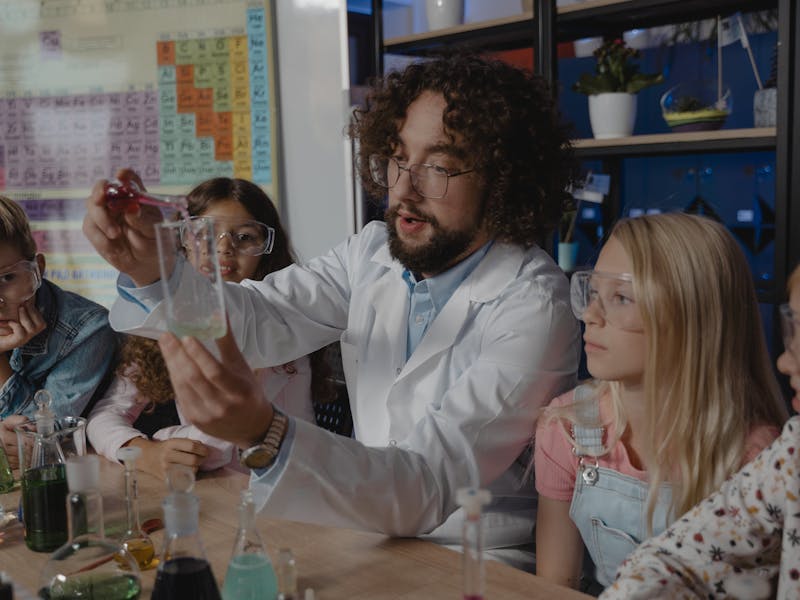
The underrepresentation of women in STEM fields is a global issue that limits not only the potential of women but also the diversity of thought in these critical areas. Encouraging girls to engage in science, technology, engineering, and mathematics through targeted programs, mentorships, and clubs can ignite a passion for these subjects. Celebrating female role models in STEM and providing hands-on learning opportunities are effective strategies to inspire the next generation of female scientists, technologists, engineers, and mathematicians.
Addressing Period Poverty to Keep Girls in School
One often-overlooked barrier to education for girls, particularly in underprivileged communities, is period poverty. This refers to the lack of access to menstrual products, hygiene facilities, and education about menstruation, all of which can prevent girls from attending school during their periods. In many low-income regions, girls miss significant amounts of school every month simply because they don’t have the resources to manage their menstrual health.
Period poverty can lead to long-term academic setbacks, increasing the likelihood of girls dropping out of school altogether. This issue not only hinders individual progress but also perpetuates the cycle of poverty and inequality. To combat this, providing affordable or free menstrual products and creating safe, private spaces for girls in schools are essential steps in ensuring girls can attend school without interruption.
Organisations are beginning to recognise this need and are working to provide sustainable solutions, such as reusable menstrual products, that can help reduce both period poverty and its environmental impact. By addressing period poverty, we can create a more supportive educational environment where girls feel empowered to pursue their education without fear of stigma or absenteeism due to menstruation.
Leveraging Technology for Remote Learning
Technology has the power to transcend geographical barriers, making education accessible to those in remote or underserved areas. Online learning platforms, educational apps, and digital libraries can provide women and girls with resources to learn and grow. However, it’s crucial to address the digital divide by ensuring access to devices and the internet, as well as offering training on how to utilise these technologies effectively.
Fostering a Culture of Lifelong Learning
Education does not end with a diploma or degree. Promoting a culture of lifelong learning among women and girls can empower them to continuously develop their skills and adapt to changing job markets. This includes access to professional development courses, vocational training, and adult education programs that allow women to re-enter the workforce, change careers, or advance in their current fields.
Conclusion
Empowering women and girls through education and training is a cornerstone of achieving gender equality and unlocking the immense potential that lies within each individual. As we celebrate International Women’s Day, let us commit to taking actionable steps towards providing women and girls around the world with the tools they need to succeed. Addressing barriers such as period poverty and the digital divide is crucial to ensuring that no girl is left behind.
By investing in their education, we are not only transforming individual lives but also contributing to the prosperity and progress of our global community. Together, we can create a future where every woman and girl has the opportunity to reach her highest potential, free from obstacles that limit their access to education.