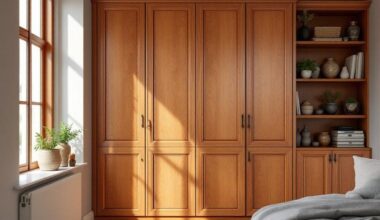

As I watch our two-year-old daughter carefully “helping” Steve organise our cleaning cupboard (by taking everything out, naturally), I’m struck by how many plastic bottles and harsh chemicals we’ve accumulated over the years. Despite our efforts to live sustainably, cleaning products often seem to be the last frontier. Today, I’m sharing my tried-and-tested recipes for natural cleaning solutions that are effective, eco-friendly, and safe for curious toddlers who insist on “helping” with the spring clean!
Why Natural Cleaning Products?
Since becoming parents, Steve and I have become increasingly aware of the chemicals in our home. Our daughter’s determination to investigate every cupboard has led us to completely overhaul our cleaning routine. Plus, making our own products has significantly reduced our plastic waste and saved us money – a win-win situation!
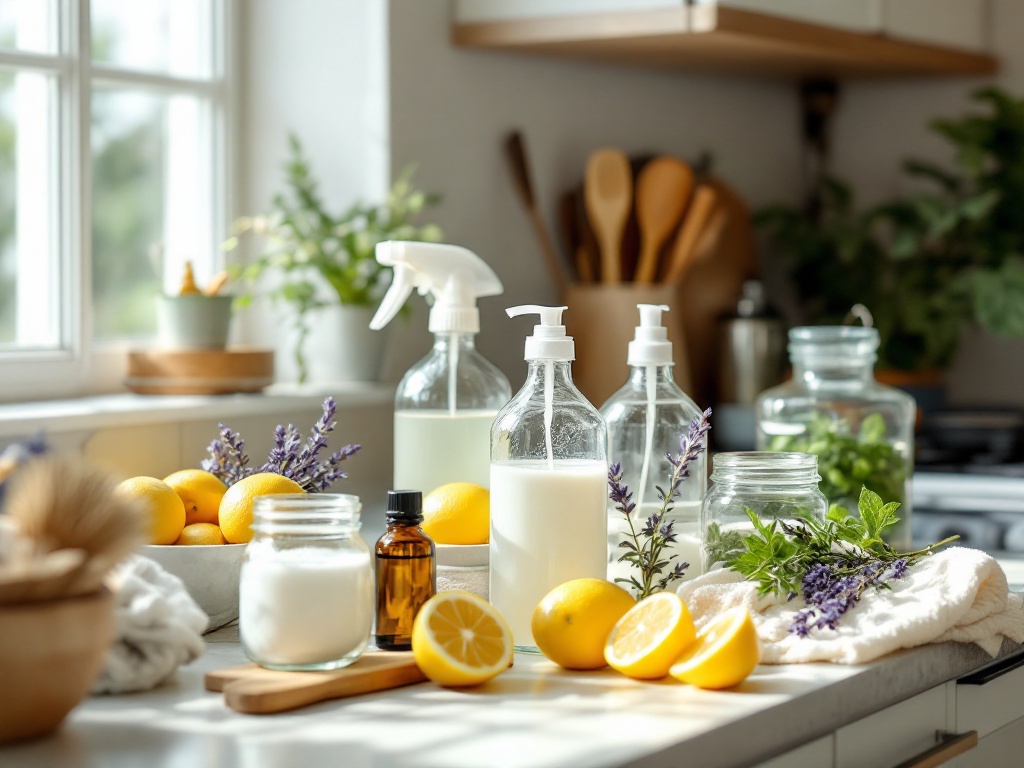
Essential Ingredients for Natural Cleaning
Most of these items are probably already in your kitchen:
- White vinegar
- Bicarbonate of soda
- Lemon juice
- Essential oils (tea tree, lavender, lemon)
- Castile soap
- Empty spray bottles
- Glass jars
- Microfibre cloths
All-Purpose Cleaner (Our most-used recipe!)
Ingredients:
- 500ml white vinegar
- 500ml water
- Lemon peel
- 10 drops tea tree oil
- 10 drops lavender oil
Method:
- Infuse vinegar with lemon peel for 2 weeks
- Strain into spray bottle
- Add water and essential oils
- Shake well before each use
Steve was initially sceptical about the vinegar smell, but it dissipates quickly, leaving a fresh, natural scent.
Natural Bathroom Scrub (Powerful enough for tough stains)
Ingredients:
- 1 cup bicarbonate of soda
- 1/4 cup castile soap
- 10 drops tea tree oil
- Water to form paste
Method:
- Mix dry ingredients
- Add soap and oils
- Store in sealed jar
- Add water when ready to use
Window and Glass Cleaner (Streak-free shine!)
Ingredients:
- 2 cups water
- 1/2 cup white vinegar
- 1/4 cup rubbing alcohol
- 1-2 drops essential oil (optional)
Method:
- Combine all ingredients
- Pour into spray bottle
- Use with newspaper for best results
Natural Air Freshener (Safe for curious toddlers)
Ingredients:
- 2 cups water
- 30 drops essential oil blend
- 1 tablespoon bicarbonate of soda
Method:
- Dissolve bicarbonate in water
- Add essential oils
- Pour into spray bottle
- Shake before each use
Wooden Furniture Polish (Perfect for heritage pieces)
Ingredients:
- 1 cup olive oil
- 1/2 cup lemon juice
- Few drops lavender oil
Method:
- Combine ingredients
- Store in dark glass bottle
- Shake well before use
- Apply with soft cloth
Tips for Success
Storage:
- Use dark glass bottles for solutions with essential oils
- Label everything clearly
- Keep out of direct sunlight
- Store safely away from children
Best Practices:
- Make small batches
- Test on inconspicuous areas first
- Use within 3 months
- Clean tools thoroughly between uses
Child-Safe Considerations:
- Keep ingredients out of reach
- Use child-proof spray bottles
- Avoid strong essential oils
- Never mix cleaning products
Sustainable Cleaning Tools
Instead of disposable items, we use:
- Washable microfibre cloths
- Natural bristle brushes
- Cotton rags from old clothes
- Compostable scrubbers
Creating a Cleaning Routine
Morning Tasks:
- Spray surfaces with all-purpose cleaner
- Wipe mirrors with glass cleaner
- Quick bathroom refresh
Weekly Tasks:
- Deep clean bathroom
- Polish wooden furniture
- Refresh air freshener
Monthly Tasks:
- Make new batches of cleaners
- Deep clean windows
- Check supplies
Making It Fun!
Our daughter loves being involved in the cleaning process (though her version of helping usually creates more mess!). We make it fun by:
- Using coloured spray bottles
- Creating cleaning “games”
- Singing cleaning songs
- Rewarding help with stickers
Cost Savings
After six months of using homemade products, we’ve saved:
- Approximately £15 per month
- Reduced plastic waste by 80%
- Decreased chemical exposure
- Simplified our cleaning routine
Environmental Impact
By switching to natural products, we:
- Eliminate microplastics
- Reduce chemical runoff
- Support sustainable practices
- Minimise packaging waste
Final Thoughts
Making the switch to natural cleaning products isn’t just about being eco-friendly – it’s about creating a safer, healthier home for our family. Yes, it takes a bit more effort than grabbing bottles off the supermarket shelf, but the benefits far outweigh the small amount of time spent making these solutions.
Steve now jokes that our cleaning cupboard looks more like an apothecary, with its glass bottles and handwritten labels, but he’s the first to admit that these natural alternatives work just as well as their commercial counterparts. And watching our daughter “help” with the cleaning, knowing that she’s not being exposed to harsh chemicals, makes it all worthwhile.
Have you tried making your own cleaning products? I’d love to hear about your experiences and favourite recipes in the comments below!
[Note: Always store cleaning products safely away from children and pets, and clearly label all homemade solutions.]