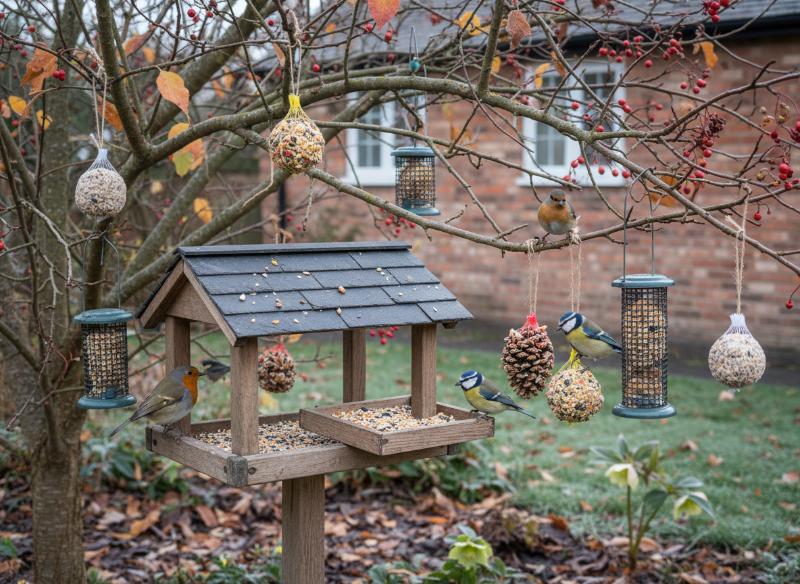

Living in our Kent village, surrounded by countryside and mature trees, we’re fortunate to have a wonderful variety of garden birds visiting throughout the year. From cheeky robins to acrobatic blue tits, from cheerful goldfinches to the occasional woodpecker, our garden has become a haven for feathered visitors—and it’s brought unexpected joy to our family life.
What started as simply putting out a bird feeder has evolved into a proper hobby. Steve and I have found ourselves genuinely invested in our garden birds’ wellbeing, particularly as we move into the colder months when natural food sources become scarce. Our 2.5-year-old daughter has become fascinated by the “birdies,” and watching them has become part of our daily routine.
Making homemade bird treats has become a family activity that combines our love of wildlife with practical conservation. It’s also surprisingly simple, often using ingredients we already have in the kitchen, and it’s a wonderful way to teach our daughter about caring for wildlife.
Why Make Homemade Bird Treats?
You might wonder why bother making bird food when you can easily buy it. There are several compelling reasons we’ve embraced homemade treats:
Cost-Effective
Commercial bird food can be expensive, particularly if you’re feeding birds year-round. Making your own treats is significantly cheaper, especially when you buy ingredients in bulk. We’ve found our bird-feeding costs have dropped considerably since we started making our own.
Quality Control
When you make bird treats yourself, you know exactly what’s in them. There are no fillers, no questionable ingredients, just nutritious food that genuinely benefits the birds. This aligns with our values around knowing where food comes from and what goes into it.
Reducing Waste
Homemade bird treats are a brilliant way to use up kitchen scraps and leftovers that might otherwise be wasted. Stale bread (in moderation), leftover seeds, and even cooking fat that would typically be discarded can be transformed into valuable bird food.
Educational Value
Making bird treats with our daughter has become an unexpected teaching opportunity. She’s learning about different bird species, what they eat, and why it’s important to help wildlife. These are lessons that will stay with her far longer than anything from a book.
Connection to Nature
In our increasingly digital world, feeding garden birds provides a tangible connection to nature. It’s something we can do from our own home that makes a real difference to local wildlife.
Essential Ingredients and Equipment
Before diving into specific recipes, let’s talk about what you’ll need. The beauty of homemade bird treats is that most ingredients are readily available and inexpensive.
Key Ingredients
Seeds and Grains: Sunflower seeds (both black and striped), nyjer seeds, millet, and oats are all excellent. I buy a mixed wild bird seed blend in bulk, which works out much cheaper than small packets.
Fats: Lard, suet, or coconut oil provide essential energy, particularly during cold weather. As a vegan household, we use plant-based fats like coconut oil, which works just as well as animal fats.
Dried Fruits: Raisins, sultanas, and currants (unsweetened and unsalted) are loved by many bird species. Soak them in water first to prevent choking hazards.
Nuts: Unsalted peanuts, crushed or whole, are protein-rich and popular with many birds. Always ensure they’re unsalted—salt is harmful to birds.
Mealworms: Dried mealworms are an excellent protein source, particularly during breeding season when parent birds need to feed their chicks.
Equipment
You don’t need much specialist equipment. Most items you’ll already have in your kitchen:
- Mixing bowls
- Saucepan for melting fats
- Moulds (yoghurt pots, coconut shells, or silicone moulds work perfectly)
- String or twine for hanging treats
- A set of bird feeder hangers for displaying your homemade creations
Simple Recipes for Bird Treats
Classic Fat Balls
This is the recipe we make most frequently. It’s simple, effective, and our garden birds absolutely love them.
Ingredients:
- 300g lard or coconut oil
- 600g mixed bird seed
- 100g dried mealworms (optional)
- 50g crushed unsalted peanuts
- Handful of dried fruit, soaked and chopped
Method:
Gently melt the fat in a saucepan—don’t let it get too hot. Remove from heat and stir in all the dry ingredients. The mixture should be thick and sticky. Our daughter loves this stirring part, though it does get messy!
Spoon the mixture into moulds or shape into balls with your hands (let it cool slightly first). If making balls, roll them in extra seeds for a nice finish. Push a piece of string through each one before they set completely.
Place in the fridge to set firm, which usually takes a couple of hours. Once solid, they’re ready to hang in your garden.
Pine Cone Bird Feeders
This is our daughter’s favourite activity. It’s simple enough for little hands to help with, and the results look beautiful hanging in the garden.
What You Need:
- Pine cones (we collect these on our dog walks)
- Peanut butter or coconut oil
- Mixed bird seed
- String for hanging
Method:
Tie string around the top of each pine cone. Spread peanut butter or softened coconut oil all over the pine cone, getting it into all the nooks and crannies. Roll the pine cone in bird seed until it’s completely covered.
Hang in trees or from bird feeders. Our daughter takes great pride in checking “her” pine cone feeders each morning to see which birds have visited.
Seed Cakes
These are essentially flat fat balls and work brilliantly in bird feeder trays or on bird tables.
Ingredients:
- 250g coconut oil or lard
- 500g mixed seeds
- 100g porridge oats
- 50g dried fruit, chopped
Method:
Melt the fat and mix in all dry ingredients. Press firmly into a shallow tin or silicone mould. Refrigerate until solid, then cut into squares or shapes. These can be placed directly onto bird tables or in appropriate feeders.
Apple and Seed Treats
This recipe uses apples as a natural base—brilliant for using up apples that are past their best.
What You Need:
- Apples, cored and sliced into rings
- Peanut butter or coconut oil
- Mixed bird seed
- String
Method:
Thread string through the centre of each apple ring. Spread with peanut butter or coconut oil, then press into bird seed. Hang from branches or feeders. These look particularly attractive and provide both food and moisture for birds.
Mealworm and Oat Balls
These protein-rich treats are particularly valuable during spring and summer when birds are feeding their young.
Ingredients:
- 200g coconut oil
- 300g porridge oats
- 200g dried mealworms
- 100g mixed seeds
Method:
Follow the same method as fat balls. The high protein content makes these especially nutritious for breeding birds.
Important Safety Considerations
What NOT to Feed Birds
Not all kitchen scraps are suitable for birds. Avoid:
- Salt: Extremely harmful to birds
- Bread: Offers little nutrition and can cause health problems (use sparingly if at all)
- Milk: Birds are lactose intolerant
- Chocolate: Toxic to birds
- Avocado: Contains persin, which is toxic to birds
- Cooked porridge: Can harden around beaks
- Desiccated coconut: Can swell in birds’ stomachs
Hygiene
Cleanliness is crucial when feeding birds. We clean our feeders regularly with hot water and a mild disinfectant, rinsing thoroughly. Dirty feeders can spread disease among bird populations.
I use a dedicated bird feeder cleaning brush that reaches into all the nooks and crannies. It’s a small investment that makes the cleaning process much easier and more effective.
Placement
Position feeders where you can see them (for your enjoyment) but also where birds feel safe. We place ours near shrubs or trees so birds can quickly retreat to cover if they feel threatened. With three dogs and three cats, we’re careful about placement—high enough that the cats can’t reach, but accessible for birds.
Seasonal Considerations
Autumn and Winter
During colder months, high-energy foods are essential. Fat-based treats like fat balls are particularly valuable, helping birds maintain their body temperature. We increase the fat content in our recipes during winter.
Spring and Summer
During breeding season, protein becomes crucial. We make more mealworm-based treats and ensure there’s always fresh water available. We also avoid putting out whole peanuts during spring, as they can choke baby birds—crushed or in mesh feeders only.
Making It a Family Activity
Involving our daughter in making bird treats has been wonderful. At 2.5, she can’t do everything, but she can:
- Help pour ingredients into bowls
- Stir mixtures (with supervision)
- Press seeds onto pine cones
- Choose where to hang finished feeders
- Watch and identify visiting birds
We’ve made it educational by keeping a simple bird diary. When we spot a new species, we look it up together in a British garden birds identification book, and I help her make a mark in her diary. It’s teaching observation skills, patience, and respect for wildlife.
Steve has gotten surprisingly involved too. He’s built several bird feeders from scrap wood, and checking on “his” birds has become part of his morning routine. It’s become a shared family interest that brings us together.
The Rewards of Feeding Garden Birds
Entertainment
Our garden birds provide endless entertainment. Watching their antics—the squabbles at the feeder, the acrobatics of the blue tits, the boldness of the robins—is genuinely captivating. It’s better than television!
Connection to Seasons
Feeding birds has made us more aware of seasonal changes. We notice when summer visitors arrive and when winter species appear. We’re more attuned to the natural rhythms of the year.
Conservation Impact
Garden feeding genuinely helps bird populations, particularly during harsh weather when natural food is scarce. Knowing we’re making a positive difference to local wildlife is deeply satisfying.
Mental Wellbeing
Something is calming about watching birds. On stressful days, I find myself drawn to the window, watching the comings and goings at our feeders. It’s a form of mindfulness that happens naturally.
Cost Breakdown
For those wondering about costs, here’s roughly what we spend:
- Bulk bird seed (5kg): £8-10
- Coconut oil (1kg): £6-8
- Dried mealworms (500g): £8-10
- Unsalted peanuts (1kg): £4-6
These ingredients make dozens of fat balls and other treats, working out at just pence per item. Compare this to commercial fat balls at £1-2 each, and the savings are significant.
Storage Tips
Homemade bird treats store well. We keep ours in the fridge in sealed containers, where they last for several weeks. During summer, refrigeration is essential to prevent the fat from going rancid.
We make batches every few weeks, which has become a pleasant Sunday morning activity. Our daughter now asks, “Are we making birdie food today?” with genuine excitement.
Final Thoughts
Crafting homemade treats for our garden birds has enriched our family life in unexpected ways. It’s brought us closer to nature, provided educational opportunities for our daughter, and given us a shared hobby that everyone enjoys.
The birds themselves have become part of our family’s daily life. We recognise individuals—there’s a particularly bold robin we’ve named Roberto (our daughter’s choice), and a blue tit with a distinctive marking we call Bluey (again, toddler naming conventions!).
As we head into the colder months here in Kent, I’m grateful for the simple pleasure of watching well-fed, healthy birds visiting our garden. The small effort of making homemade treats yields enormous rewards—for the birds, certainly, but also for our family.
Whether you have a large garden or just a balcony, feeding birds is accessible and rewarding. The recipes I’ve shared are just starting points—feel free to experiment and see what works for your garden visitors.


