
So, you’ve decided to take the plunge into the enchanting realm of crochet, have you? Bravo! Crocheting is not just a craft; it’s a form of mindfulness, a creative escape, and a delightful way to inject a bit of handmade charm into your life and the lives of those around you.
From my crafting adventures, I’ve learned a thing or two about starting this journey, and I’m here to guide you through the maze of loops and stitches with a friendly nudge in the right direction. So grab a cuppa, let the cats curl up on your lap (they’ll love your yarn), and let’s get started!
The Basics: Yarn and Hook
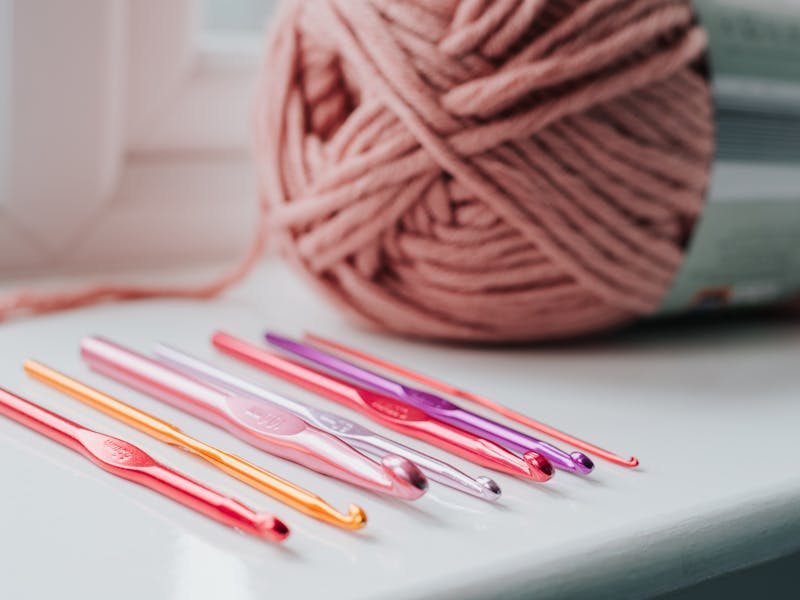
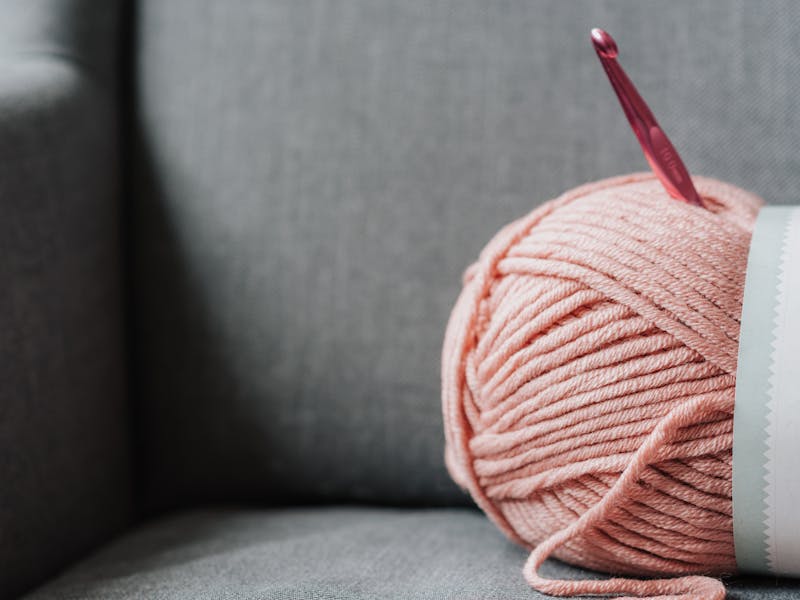
First things first, you’ll need yarn and a crochet hook. Sounds simple, right? Well, the variety can be quite astounding. Yarn comes in different weights (thickness) and materials. I recommend starting with a medium-weight yarn (also known as worsted weight) for beginners because it’s easy to handle and works quickly. Cotton or acrylic yarns are great choices for beginners due to their durability and ease of care.
As for hooks, they come in various sizes. A good starting point is a 5mm (H-8) hook, which pairs well with medium-weight yarn. Crochet hooks can be made from aluminium, plastic, or wood, and the choice is often down to personal preference. I find aluminium hooks slide through yarn like a hot knife through butter, making them a fabulous option for those just starting out.
My own personal favourite hooks to use are Susan Bates crochet hooks, they are aluminium with a soft ergonomic handle design great for those of us who enjoy crocheting every day for long periods. They are my go to choice.
Beginner Projects to Hook You In
1. Granny Squares: These are the bread and butter of the crochet world. Colourful and versatile, granny squares can be stitched together to create blankets, bags, and more. Plus, they’re excellent for practising basic stitches.
2. Scarves: A simple, straight project where you can practice getting your tension right without worrying about shaping. Plus, who doesn’t love a cosy scarf?
3. Coasters: Functional and quick to make, coasters are perfect for experimenting with different stitches and patterns on a small scale.
Understanding Yarn: A Quick Guide
– Acrylic: Durable, easy to care for, and available in various colours. Perfect for everyday projects.
– Cotton: Great for items that need more structure, like bags or kitchen accessories. It’s also cooler, making it ideal for summer projects.
– Wool: Warm and soft, wool is fantastic for cosy winter projects. Just be mindful of care instructions, as some wool yarns require hand washing.
Let’s dive a little deeper into the stitches that form the backbone of any crochet project. Understanding these will not only give you a solid foundation but also boost your confidence as you embark on this yarn-filled journey.
The Backbone Stitches of Crochet
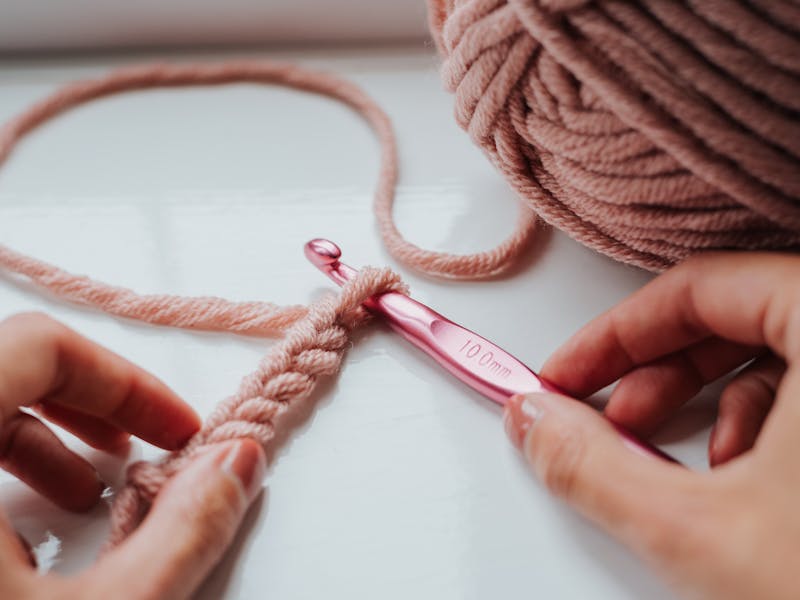
1. Chain Stitch (ch): The starting point for almost all crochet projects, creating a series of loops on your hook that serve as the foundation row. Simply yarn over and pull through the loop on your hook. It’s like the crochet version of dotting your i’s before writing the letters.
2. Double Crochet (dc): This is the simplest of the crochet stitches, creating a tight, dense fabric. Insert your hook into a stitch, yarn over, pull back through the stitch (two loops on the hook), yarn over again, and pull through both loops on the hook. It’s the crochet equivalent of a firm handshake – straightforward and reliable.
3. Triple Crochet (tc): This stitch adds height and airiness to your projects. Yarn over, insert the hook into the stitch, yarn over again and pull up a loop (three loops on hook), yarn over and pull through two loops, yarn over once more and pull through the remaining two loops. It’s like the confident stride in your step when you know where you’re heading.
4. Half Triple Crochet (htc): A wonderful middle ground between the double and triple crochet, offering a bit more height than the double but less bulk than the triple. Yarn over, insert the hook into the stitch, yarn over and pull up a loop (three loops on hook), then yarn over and pull through all three loops. Consider it the crochet compromise where everyone wins.
5. Slip Stitch (sl st): Often used to join pieces together or to move your yarn to another part of your project without adding height. Insert the hook into the stitch, yarn over, and pull through both the stitch and the loop on the hook in one go. It’s the crochet ninja – there and then seamlessly gone.
Each of these stitches offers a different texture and density, providing endless possibilities for creativity. By mastering these basics, you’ll be well-equipped to start experimenting with patterns and projects, turning yarn into magic with every hook and twist. And remember, like any skill, crochet takes practice. So, be patient with yourself, celebrate your progress, and enjoy the journey of learning and discovery.
Where to Learn More: Blogs and YouTube Channels
1. Bella Coco Crochet: Her YouTube channel is a treasure trove of tutorials, perfect for beginners and advanced crocheters alike. Clear instructions and lovely projects will have you hooked in no time.
2. The Crochet Crowd: This YouTube channel offers an array of tutorials, patterns, and inspiration. Whether you’re looking to tackle a new stitch or dive into your first project, you’ll find guidance and enthusiasm in spades.
3. Attic24: If blogs are more your style, Attic24 is filled with colourful inspiration and detailed crochet projects, complete with step-by-step guides and beautiful photography. Lucy’s passion for crochet shines through every post, making it a joyful place to learn and get inspired.
Crocheting is a journey, one filled with loops, laughter, and the occasional frustration when you have to unravel (or ‘frog’ as well call it) a row or two. But the joy of creating something from just yarn and a hook is unparalleled. Whether you’re crafting a blanket that becomes a family heirloom or a quirky hat for a friend, each stitch is imbued with love and personality. So, welcome to the crochet community – your hands might get busy, but your heart will be full. Happy hooking!