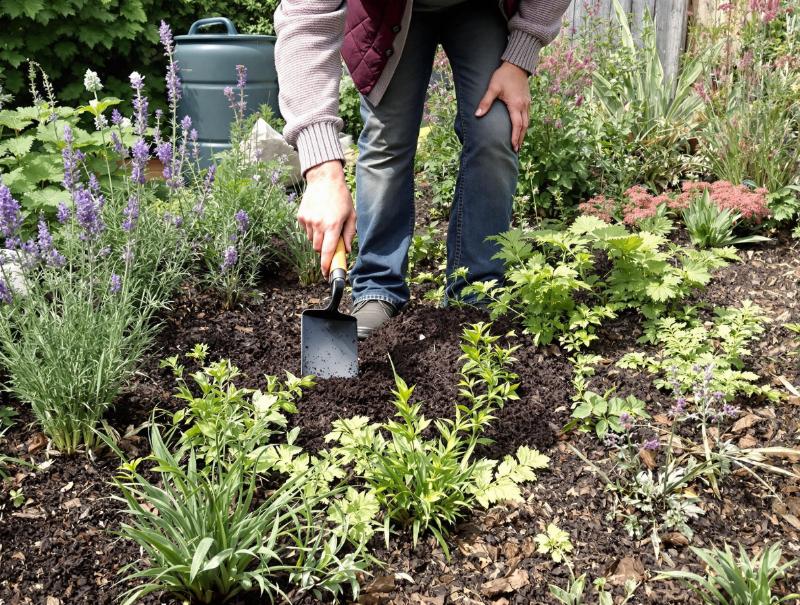

Your outdoor area shapes your home’s aesthetic. The harmony between interior and exterior enhances the overall property value.
Whether you’ve got a modest courtyard or sprawling greenery, caring for it doesn’t need to empty your pockets. With a bit of know-how, you can craft a charming retreat that’s low on cost and fuss. Think clever shortcuts, nature-friendly solutions, and a touch of planning.
The following tips will help improve your yard within your budget constraints.
Assess Your Outdoor Space’s Needs
Survey your grounds. Note areas in need of attention. Prioritise spots that invoke visual charm and functionality. Jot down essential tasks. Include watering, weed removal, and soil checks. This organisation prevents oversight of crucial elements.
Based on your observations, establish a practical routine of what is okay and what needs to be done.
Take photographs to document problem areas. Create a visual inventory highlighting both strengths and weaknesses. Consider consulting neighbours about regional challenges they’ve encountered.
Plan for Seasonal Upkeep
Setting up an adaptable maintenance schedule enables you to create greatness with minimal effort.
Group similar, seasonal tasks together. For example, prune all hedges and shrubs simultaneously to optimise your schedule.
By planning ahead, you can minimise the effort required to trim, plant, and nourish your flora. This allows you to stay on top of duties, keeping the entire process straightforward.
Set notifications on your smartphone or mark tasks on your calendar to avoid oversights, guaranteeing comprehensive and precise care.
Develop contingency plans for unexpected weather patterns. Research optimal timing for local plant varieties. Consider solar path changes across seasons for better planting decisions.
Choose Low-Maintenance Plants
For a flourishing landscape, consider cultivating local specimens that have naturally acclimated to the UK’s weather. These typically require less specialised or extensive care.
Britain offers numerous excellent options, such as heather and foxgloves. Durable succulents and tough perennials like lavender thrive with little moisture. Native species cost more initially but demand less attention over time.
Consult botanical gardens or any UK gardening websites for region-specific recommendations. You can also consult a regional landscaping service provider for expert recommendations.
Group plants with similar water requirements together to streamline care. Consider ornamental grasses that provide year-round visual interest with minimal intervention required.
For added texture, consider herbs. Examples are thyme or rosemary. They offer both aesthetic appeal and culinary uses. Ferns and hellebores also thrive in shadier spots with minimal fuss.
Mulch to Maintain the Soil
Mulch retains soil moisture and adds nutrients. It suppresses weeds and deters pests naturally. These advantages reduce maintenance demands, even during weather extremes.
This cost-effective covering consists of organic matter like wood chips, straw, and bark. Apply evenly in a 2-3 inch layer. Keep it away from plant bases to prevent rot and infection.
Rotate mulch types seasonally to address specific soil deficiencies. Consider coconut coir as an eco-friendly alternative. It improves soil structure and water retention.
Invest in Quality Tools
Acquiring superior gardening equipment is another smart move. You’ll need reliable pruning shears and a versatile hand trowel for starters.
Though these implements come with a relatively high price tag, they remain in good condition longer. Quality instruments serve multiple purposes. They streamline your work while cutting costs. Diligent care extends their lifespan.
Clean thoroughly and oil metal parts to prevent rust. Sharpen blades regularly. Store equipment in dry, airy spaces to maintain integrity. These practices protect your investment and ensure reliable performance throughout the growing season.
For those who prefer expert support, consider a service that specialises in precise gardening care tailored to your space and seasonal needs.
Other handy additions include a hand fork for aerating soil and a watering can with a detachable rose head. These basics cover most garden tasks without overwhelming your shed—or your budget.
Create Your Own Fertilisers and Pesticides
Mix your own plant remedies to cut costs. Natural substances repel pests yet protect beneficial creatures. Garden extracts from alliums and plant oils create effective barriers against invaders.
These age-old approaches shield vegetation without needing harmful chemicals. Consider transforming kitchen waste into nutrient-rich compost.
Compost boosts the soil’s moisture retention capacity. The method is simple. Any receptacle works for collecting fruit peels, veggie scraps, grounds, and grass clippings.
These materials decompose into vital nutrients. Blend thoroughly for even distribution. Maintain a 1:2 ratio of green kitchen waste to brown dried foliage.
Stir the pile occasionally to promote airflow and keep it slightly damp. This facilitates the breakdown process while preventing foul odours.
Steep nettle leaves in water for nitrogen-rich liquid fertiliser and crush eggshells to deter slugs and snails while providing calcium to the soil.
Limit Watering with Smart Techniques
You can conserve water without compromising plant health with the right approaches.
One affordable technique worth considering is installing a trickle irrigation system. Drip systems channel water straight to the plant bases. This minimises waste and lowers utility bills, and its installation requires minimal effort.
Adapt the setup to any garden configuration. Collect rainwater as an eco-friendly alternative to tap usage. Simply place a barrel under your downspout and use it when full.
The timing of hydration also matters. During early morning, temperatures are cooler, minimising evaporation. This allows more moisture to reach the roots, keeping your precious flora nourished throughout the day.
Group plants by water needs in hydrozones and incorporate swales to direct rainwater to thirsty plants naturally. Use terracotta pots to regulate moisture.
You can also repurpose cooled cooking water from vegetables or pasta—just skip the salt. This gives plants an extra nutrient boost and cuts down on waste.
Conclusion
Beautiful gardens don’t demand hefty spending. Strategic planning, consistent care, and simple innovations transform your outdoor space. Implement these tactics. Watch your plants flourish without draining your wallet or energy.
Over time, these budget-friendly habits not only save money but deepen your connection with the landscape you’ve nurtured by hand.