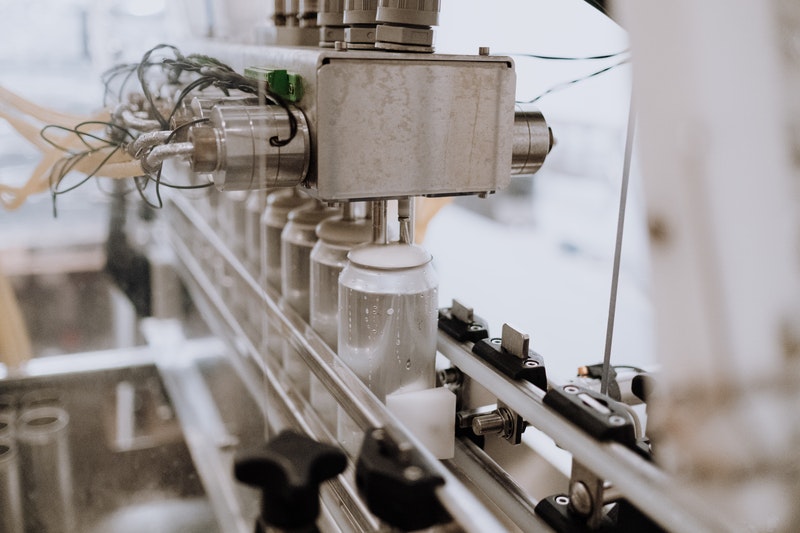

Machine vision is having a huge impact on modern manufacturing. By removing the human error component of industrial processes, machine vision can drastically cut running costs while maximizing output. Sophisticated sensor systems can identify flawed, broken or sub-par components in milliseconds and instantly send information to correct the problem, so the problem item has no further impact down the production line. Automated inspection also allows for much more rigorous recycling capabilities, since computer algorithms can make sense of the captured images of mounds of plastic waste far quicker and more accurately than could a human.
While the age-old argument can be made that machines taking over human jobs is nothing to celebrate, the fact is that this is inevitable, no less than the internet making libraries obsolete. But new machinery still means new jobs, just in different areas, so the loss of opportunity for manual labour will be compensated in new disciplines. The bottom line is that the future of industrial processes will be fully automated, with many companies making huge strides in providing top quality equipment to maximize output efficiency, quality, reliability, all while streamlining product supply chains. This is every manufacturing company’s dream, but uprooting established practices and totally reinventing your operations is no easy feat, so a business needs to be fully informed as to how to not only do this smoothly and expeditiously but be strategic with how you’ll make the most of your new machine vision tools in boosting your output.
Check out the Multipix Website as a great example of suppliers of machine vision equipment that not only guarantee great products but have a very robust support system in place in terms of educating and training its new clients. Introducing new AI-based tech into your manufacturing processes isn’t as easy as just plugging in a new gadget, then sitting back and watching superior products get churned out twice as fast. The integration of these tools can be quite complicated, especially for a company that has been making do not only with outdated facilities and equipment but also with outdated practices and business models.
Changing up your facilities to utilize machine vision may require a lot of resources and effort, from injecting more capital into the new tech, and responsibly disposing of the old, but this will in no small part have a trickle effect on above the line operations as well. This is why it’s so important to fully understand how these processes work, what they can achieve specifically for your business and being realistic about its current limitations. Machine vision will not wave a magic wand and fix a fundamentally problematic business strategy.
Luckily, there’s no shortage of resources to help you build a foundation of knowledge that should make machine vision easily digestible and go from a curious concept to a successful enterprise. Machine vision involves grasping new hardware, new software and new data analysis, which means that if you’re not best versed in these areas, you may need to seek the help of online forums and trained experts – but this is a classic example of “look before you leap”. If you spend a ton of time and money investing in a brand new system and fail to merge it effectively with your existing assets, you may well fail to optimize this technology to your company’s full benefit. Take advantage of free seminars and events that give you full coverage of what you need to understand, from practical overviews to help you understand the concept (and sell it to higher-ups!) to comprehensive tutorials for when you’re ready to start integrating machine vision into your future company vision.