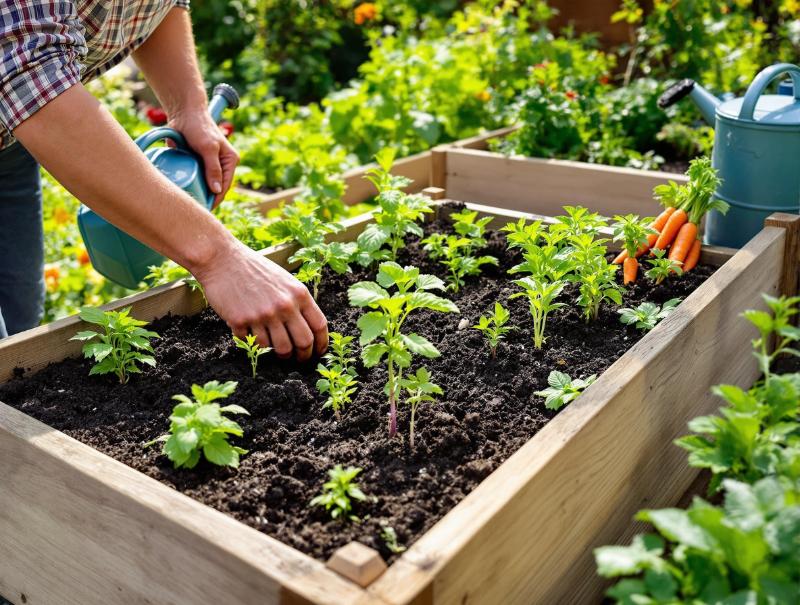

Dreaming of owning your own farm or rearing animals? Or maybe producing your own vegetables to become more self-sufficient is your future goal? You’re not alone, and an increasing number of people worldwide, united by a shared interest in self-sufficiency and environmental friendliness, are exploring ways to grow their own food at home. The rise of homesteading in America is a testament to this growing community.
Even though the majority of people in the UK don’t have access to the vast rural lands of America, there are still ways you can become more self-sufficient. The concept of self-sufficiency is adaptable and can be applied to any space, allowing you to make the most of the land you have, whether it’s your backyard, an allotment, or a smallholding, and perfect the art of growing your own produce.
Invest in Tools and Equipment
Even growing herbs on your windowsill in the kitchen requires minimal tools and resources to ensure the herbs grow properly. From plant pots to greenhouses, watering cans, irrigation systems, and feed for chickens or livestock you might want is essential. Fencing helps you keep any animals you have safe by segregating space in your garden or allotment or dividing up any land you have access to. Simply search for ‘farm supplies near me‘ to ensure you get the right tools and equipment to get up and running, regardless of what you are growing or trying to produce at home.
Plan Ahead
It’s not as simple as running out, buying the supplies, and getting started. Growing your own produce means you need to understand what you need to do, how you need to approach the task at hand, and what results you can expect from your microenvironment. It’s not a task to be undertaken lightly; planning ahead is crucial to help you achieve the best results. This is especially important for fruits and vegetables as they grow in different seasons, and you need to know when best to plant them for optimal results.
Start Small, Mix It Up
Literally putting all your eggs in one basket might not work out well for you, especially if you are relying on your newly purchased chickens to deliver you fresh eggs every morning. You want to make sure you’re giving yourself opportunities and the best chances for success by starting small and mixing things up. This means trying your hand with different items and foods to grow.
Start small with easy-to-grow foods, such as strawberries, tomatoes, and green beans. As exciting as a bumper crop is, if you’re not going to use them, it will be a waste. So, think small, think variety, and see what happens.
Educate
You need to learn as much as you can about the climate in your area, including the best positions and fertilisers for planting different plants or sowing seeds. You also need to learn about the soil in your garden or allotment, if you have one, including harvest times, the nutrients required, and the environments in which plants thrive, among other things. The more you know, the more you can do to cultivate a better crop and become more self-sufficient. It is a journey and an exploration of what you are capable of, and the more you learn, the better the discoveries you will find.