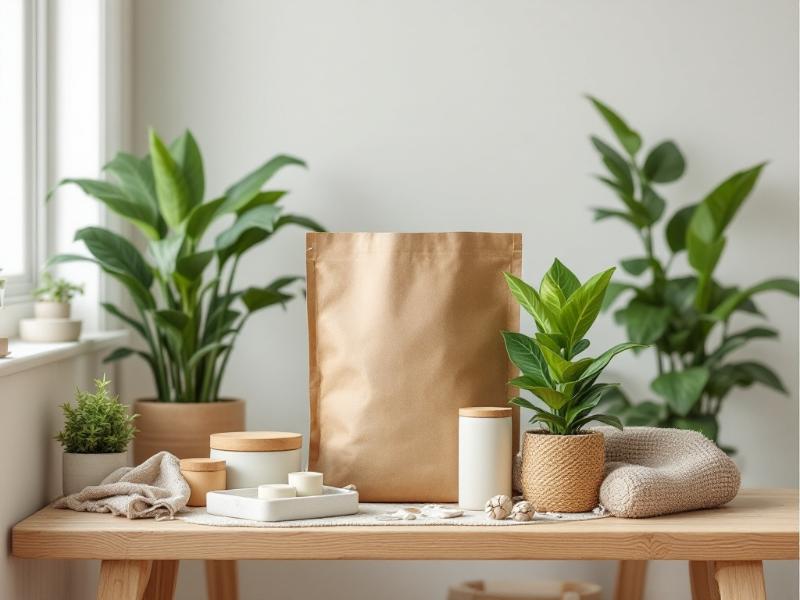

Let’s face it—most of us aren’t thrilled by the thought of overflowing landfills or oceans choking with plastic. The good news? You can make a difference starting today. It’s called zero-waste living, and while it might sound a little intimidating at first, it’s really just about taking small steps to reduce waste, live more mindfully, and do our part for the planet.
Here’s everything you need to know about this lifestyle—no fluff, no judgment, just helpful advice.
So, what is zero-waste living?
At its heart, zero-waste living is about keeping as much stuff as possible out of the trash. The goal? Nothing—or as close to nothing as you can get—ends up in landfills or incinerators. Instead, everything gets reused, composted, or recycled. Think of it like giving everything you own a purpose, even if it’s just turning your food scraps into compost for the garden.
Why Bother Going Zero-Waste?
It’s not just about hugging trees (though, hey, tree-hugging is cool too). Living with less waste can make a big difference—not just for the environment but for you personally. First, you’re cutting down on pollution and helping conserve resources, which feels pretty great, honestly. Then there’s the bonus of saving money. Reusable items might cost a bit upfront, but they’ll save you loads in the long run. Plus, zero-waste living nudges you to cut out unnecessary junk, making your home feel calmer and more intentional.
How to Get Started Without Losing Your Mind
Don’t let the zero in “zero-waste” freak you out. It’s not about being a minimalist monk overnight. It’s about small, manageable changes that fit into your life. Here’s how you can start:
Step 1: Take a Look at Your Trash
First things first—figure out what you’re actually throwing away. This sounds weird, I know, but it’s helpful! Maybe you’re tossing a ton of plastic packaging, or maybe food waste is your Achilles’ heel. Once you know, you can tackle the biggest culprits first.
Step 2: Invest in Reusables
This part’s fun because you get to shop a little—guilt-free. Swap disposable stuff for reusables. Get yourself a good water bottle and reusable coffee cup, and you’re in business.
Step 3: Shop Smarter
Bulk bins are your new best friend. Bring your own containers to avoid unnecessary packaging. And before you buy anything, ask yourself, “Do I really need this?” If the answer’s no, walk away. (P.S. This tip also works wonders for your bank account.)
Compost, Repair, Repeat
Food scraps? Yard clippings? Turn them into gold for your garden by composting. Even if you live in an apartment, there are small composting solutions that don’t smell. For everything else, think repair before replace. That old sweater with the snag? Fix it. A household appliance acting up? Sometimes a quick repair, like upgrading heating systems with more efficient boiler installations, can be better for the planet and your wallet.
Recycling’s Not the Hero You Think It Is
Here’s the hard truth: recycling isn’t a magical solution. A lot of what we think gets recycled actually doesn’t. (Surprise! It ends up in the landfill.) That’s why it’s better to refuse and reduce before you recycle. When you do recycle, make sure you’re doing it right—check local rules, rinse your containers, and don’t “wish cycle” (a.k.a. throwing stuff in the bin, hoping it’s recyclable).
Let’s Do This, Together
The world doesn’t need a handful of people living zero-waste perfectly. It needs millions of us trying, failing, and trying again. So grab your reusable coffee cup, start composting, and take that first step toward a greener, cleaner future. You’ll never look back—and you just might inspire someone else to join the movement.