
learned that marrying period features with contemporary design elements isn’t just about aesthetics—it’s about creating a home that honours its history while embracing modern living.
Now that I am a mum, I have a new perspective on how spaces need to work practically while maintaining their visual appeal. Those stunning glass balustrades and floating treads that once simply represented architectural innovation now prompt thoughts about tiny fingerprints and safe navigation with a baby in arms. Yet rather than compromising on style, this new chapter has taught me to appreciate thoughtful design even more.
I’ve discovered that the best interiors seamlessly blend form and function—where that Instagram-worthy floating staircase also happens to create better sightlines for watching little ones, and where contemporary open-plan layouts allow me to prep dinner whilst keeping an eye on playtime. Motherhood hasn’t diminished my love for sophisticated design; it’s simply added another layer of appreciation for spaces that work beautifully in real life.
The Art of Balanced Design
The key to successfully blending old and new lies in finding the perfect balance. Since becoming a parent, I’ve become even more aware of how our homes need to be both beautiful and practical. Here’s how you can achieve this delicate harmony:
Respect the Original Architecture
Before introducing modern elements, take stock of your period features:
- Original fireplaces
- Cornicing and ceiling roses
- Sash windows
- Traditional door frames
- Original wooden flooring
These elements tell your home’s story and should be preserved where possible. In many Victorian properties I’ve reviewed, the original bay windows create perfect opportunities for contemporary styling while maintaining historical integrity.
Making a Statement with Modern Additions
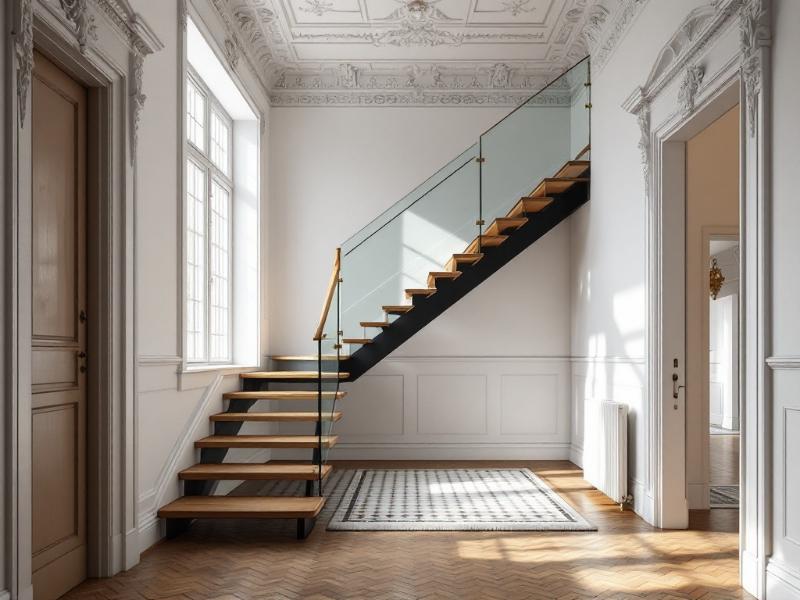
The most striking way to introduce contemporary design is through architectural statements. Here’s where floating staircases, particularly cantilevered designs, come into their own. These architectural marvels offer several advantages:
Structural Innovation:
- Hidden steel support systems
- Minimal visible fixings
- Clean lines that complement period features
- Enhanced spatial flow
From my experience reviewing home renovations across Kent and London, cantilever staircases have proven particularly effective in period properties. The floating treads, seemingly suspended in air, create a stunning contrast against Victorian walls while maximising natural light—something I’ve found essential with a young family constantly moving between floors.
Light and Space: The Modern Touch
Contemporary design often emphasises light and space, which can transform period properties:
- Glass balustrades on staircases
- Roof lights and skylights
- Open-plan modifications
- Strategic lighting placement
A floating staircase installation can solve one of the most common challenges in period homes: dark central hallways. The open design allows light to flow freely between floors, creating an airier atmosphere throughout.
Material Selection
Choosing materials that complement both old and new elements is crucial:
Traditional Materials:
- Original wooden flooring
- Exposed brick
- Cast iron radiators
Contemporary Materials:
- Toughened glass
- Brushed steel
- Engineered wood for floating treads
One of the most successful combinations I’ve seen pairs original Victorian wooden floors with a glass and steel floating staircase. The contrast creates visual interest while maintaining the integrity of both styles.
Planning and Permissions
Before embarking on significant changes, especially in period properties, consider:
- Listed building consent requirements
- Building regulations for structural changes
- Local conservation area restrictions
- Professional surveys and assessments
Having reviewed numerous renovation projects through my blog, I can’t stress enough the importance of thorough research and professional consultation.
Practical Tips for Implementation
Drawing from my background in home renovation coverage, here are my top tips for successful integration:
- Start Small – Begin with less permanent changes to test your style combination. Many homeowners start by updating lighting fixtures before tackling larger projects like floating staircases.
- Create Transition Spaces – Use areas like hallways or landings to gradually blend styles. A floating staircase serves as a perfect transition point between traditional living rooms and modern kitchens.
- Maintain Proportion – Ensure modern additions don’t overwhelm period features. A well-designed cantilevered staircase, while striking, shouldn’t dominate the space.
- Consider Functionality – Modern additions should enhance daily life. As a mum, I particularly appreciate how floating staircases can improve navigation when carrying a baby, thanks to their open design and improved lighting.
Maintenance Considerations
Maintaining a home that combines period and contemporary features requires attention to both old and new elements:
Period Features:
- Regular wood maintenance
- Traditional plastering care
- Original window upkeep
Modern Elements:
- Glass cleaning for staircase balustrades
- Steel surface maintenance
- Contemporary finish care
Cost Considerations
When planning your blend of old and new, budget for:
- Structural surveys (typically £500-£1,500)
- Specialist installation for floating staircases (£15,000-£25,000)
- Quality materials
- Professional design consultation
- Building regulation compliance
Final Thoughts
After years of reviewing and writing about home renovations, I can confidently say that blending period features with contemporary design elements creates uniquely beautiful and functional spaces. A floating staircase becomes more than just a way to move between floors—it’s a conversation piece that perfectly exemplifies how traditional and modern can coexist harmoniously.
Whether you’re considering a full renovation or simply looking to update specific elements, remember that successful integration comes from thoughtful planning and respect for your home’s original character. As I watch my daughter explore different spaces, I’m constantly reminded that good design isn’t just about aesthetics—it’s about creating a home that works for modern living while honouring its historical roots.
Have you undertaken any period property renovations? I’d love to hear about your experiences in the comments below. Share your tips for blending old and new elements in your home!