
Freelancing from home has so many perks, but it also comes with its own set of challenges—especially when space is at a premium. When I first started working from home, I was determined to carve out a proper workspace, even though our house is far from sprawling. Over the years, I’ve learned that a small home office can be both stylish and supremely functional with a bit of creative thinking. Here’s how I’ve organised my own compact office as a freelancer, with plenty of real-life experience juggling work, family, and the occasional interruption from Steve or our nearly three-year-old daughter.
Finding the Perfect Spot
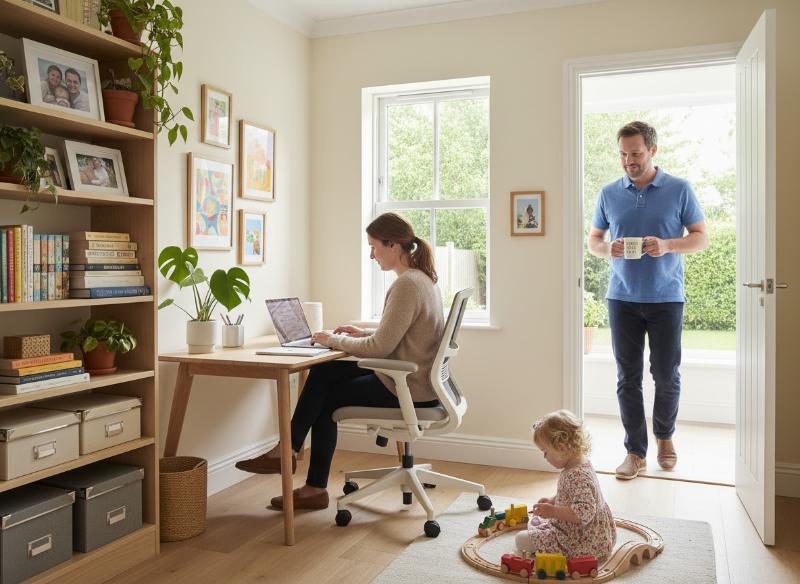
The first step is identifying a dedicated space. In our home, my office is tucked into a sunny corner of the living room. It’s not a separate room, but it’s my own. I chose a spot near a window for natural light, which helps me feel energised and connected to the outside world. If you don’t have a spare room, look for an unused nook, a landing, or even a large cupboard you can convert. The key is to claim a space that’s yours—no matter how small.
Choosing the Right Desk and Chair
A compact, functional desk is essential. I opted for a space-saving folding desk so I can keep my essentials close without cluttering up the surface. An ergonomic office chair is a must for anyone spending hours at a computer, and it’s made a world of difference to my back. Steve was sceptical at first, but even he’s admitted it’s comfier than the kitchen chair he used to borrow for his own projects!
Smart Storage Solutions
Small spaces demand clever storage. I use wall-mounted shelves to keep notebooks, reference books, and a few plants out of the way but within reach. Under-desk organisers and a rolling trolley help me sort stationery, chargers, and cables. I also have a set of stackable storage boxes for paperwork I don’t need every day. Our daughter loves to help me label the boxes with stickers, which keeps her busy and makes finding things easier.
Keeping Clutter at Bay
One of my biggest lessons has been the importance of regular decluttering. Every Friday, I spend ten minutes clearing my desk of stray papers, coffee mugs, and toys that have migrated in. I keep a small recycling bin under the desk and a catch-all basket for anything that needs to be put away. It’s amazing how much calmer I feel starting the week with a tidy workspace.
Creating a Family-Friendly Office
With a young child at home, I’ve learned to make my office inviting but off-limits during work time. I keep a small basket of quiet toys nearby for our daughter, so she can play beside me if needed. Steve and I have a rule that if the door is closed (or my headphones are on), it means I’m busy and shouldn’t be disturbed. We also use a family planner on the wall to keep track of work deadlines, nursery days, and family activities—everyone knows what’s happening at a glance.
Making the Most of Vertical Space
When floor space is limited, think upwards. I use pegboards and hooks to hang headphones, scissors, and even my reusable water bottle. This keeps the desktop clear and makes it easy to grab what I need. Wall-mounted organisers are also great for post, receipts, and important reminders.
Bringing in Light and Greenery
Natural light is a real mood booster, so I keep my desk near the window and use a daylight desk lamp on gloomy days. A few houseplants on the shelves or windowsill add a touch of calm and help purify the air. Our daughter loves watering the plants with me—it’s a small ritual that makes the office feel homely.
Staying Organised Digitally
Physical organisation is only half the battle. I rely on digital tools to keep my freelance work running smoothly. I use cloud storage for documents, a digital calendar for deadlines, and project management apps for tracking tasks. Steve and I share a family calendar, so we don’t double-book ourselves or forget important dates. Digital decluttering—like archiving old files and unsubscribing from unwanted emails—keeps things running smoothly.
Balancing Work and Family in a Small Space
Working from a small home office means boundaries are crucial. I set clear working hours and try to stick to them, so family time doesn’t get lost in the shuffle. Steve is brilliant at wrangling our daughter during calls or deadlines, and we plan our week together every Sunday. Sometimes, I’ll move my laptop to the garden or kitchen table for a change of scenery, but having a dedicated base makes it much easier to get into work mode.
Final Thoughts
Organising a small home office as a freelancer isn’t about having the latest gadgets or the biggest room—it’s about making the most of what you have. With a few smart purchases, a bit of planning, and a willingness to adapt, you can create a space that’s productive, inspiring, and fits right into family life. If you’re setting up your own small office, I’d love to hear your tips or see your space.