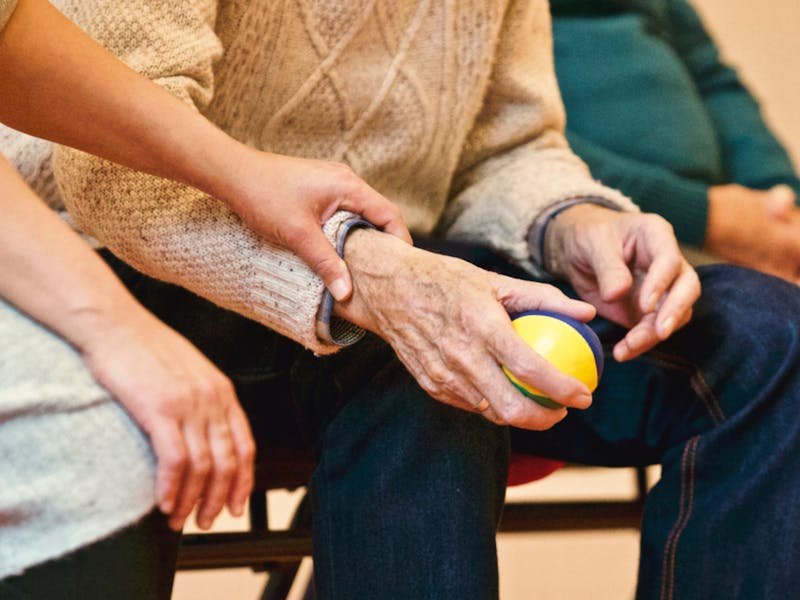

Ensuring a safe and accessible home environment for seniors is essential for their well-being and independence. As mobility and sensory abilities decline with age, making thoughtful modifications to the living space can significantly enhance safety and comfort. Here are some key steps to create a senior-friendly home.
Improve Accessibility
Accessibility is crucial for seniors, particularly those with limited mobility. Start by evaluating the entryways and exits. Ensure there are no steps or high thresholds that could cause tripping. Installing ramps and handrails can provide additional support. Inside the home, widen doorways and hallways to accommodate mobility aids like wheelchairs and walkers. Smooth, non-slip flooring is also important to prevent falls.
Optimize Lighting
Good lighting is essential to help seniors navigate their home safely. As vision declines with age, it’s important to ensure all areas of the home are well-lit. Use bright, evenly distributed lighting in hallways, stairways, and bathrooms. Consider installing motion-sensor lights that turn on automatically when someone enters a room. This can be especially useful for nighttime trips to the bathroom. Ensure light switches are easily accessible, and opt for rocker switches, which are easier to use than traditional ones.
Enhance Bathroom Safety
Bathrooms are a common site for accidents among seniors. To make the bathroom safer, install grab bars in the shower, bathtub, and near the toilet. Non-slip mats in the shower and on the bathroom floor can prevent slipping. A walk-in shower or bathtub can be more accessible than traditional ones. Additionally, consider using a shower chair to provide stability while bathing. These modifications can greatly reduce the risk of falls and make daily routines easier and safer.
Ensure Safe and Comfortable Living Spaces
Creating a safe living environment involves arranging furniture to create clear pathways. Remove any clutter, cords, or rugs that could cause trips and falls. Ensure that frequently used items are within easy reach. Invest in ergonomic furniture that provides good support and is easy to get in and out of. Recliners with lift features can be particularly helpful. Also, consider setting up a comfortable seating area with a clear view of the television or reading materials, which can help improve overall comfort and enjoyment.
Incorporate Mobility Aids
Mobility aids are essential for many seniors to maintain their independence. Devices like canes, walkers, and wheelchairs can make moving around easier and safer. For those who need extra support, using a walking stick can provide stability and confidence. Ensure that these aids are easily accessible and in good condition. Regularly check for wear and tear and replace them as needed to ensure safety.
Adapt the Kitchen
The kitchen should be arranged to minimize the need for bending, reaching, or lifting heavy items. Store frequently used items at waist level to make them easily accessible. Use pull-out shelves and lazy Susans in cabinets to make items easier to reach. Ensure that the kitchen is well-lit, and consider using appliances with easy-to-read controls and automatic shut-off features for added safety.
Focus on Emergency Preparedness
Prepare for emergencies by installing smoke detectors and carbon monoxide alarms throughout the home. Ensure they are tested regularly and that batteries are replaced as needed. Provide seniors with a mobile phone or emergency alert system so they can call for help if needed. Make sure that emergency contact numbers are easily accessible, and create a clear plan for what to do in case of an emergency.
Create a Supportive Outdoor Environment
Outdoor areas should also be made safe and accessible. Ensure that pathways are level, free of obstacles, and well-lit. Install handrails along steps and ramps for added support. A comfortable seating area in the garden or on the patio can encourage seniors to spend time outside, benefiting their physical and mental health.
Conclusion
Creating a safe and accessible home environment for seniors involves thoughtful modifications to improve accessibility, lighting, bathroom safety, and general living conditions. By incorporating mobility aids, adapting the kitchen, focusing on emergency preparedness, and ensuring a supportive outdoor environment, you can help your aging loved ones maintain their independence and quality of life. These changes not only promote safety but also enhance comfort and confidence in daily living.